
Why silly branding sells and marketing isn’t just for dry shites
All of our content is researched and written by human writers. No robots here!
Have you ever seen branding that just makes you giggle? A piece of brightly-coloured branding featuring a silly little pun or catchphrase so good that you just had to pop it in your basket? Something on food packaging that made you do a double-take or chortle out loud in the middle of Tesco? (Been there, and the looks were 👀).
But seriously, I’ve legit tried a brand just because its silly branding or content caught me off-guard and made me laugh. And I’ve gone back to those products, not just because they’re funny – but because they’re fucking good.
Let’s take innocent drinks, for example.
If you’re not familiar with them, innocent is a brand of smoothie or juice in the UK and Ireland that absolutely knows who its target audience is. You can tell, because they’re killing it with their marketing and brand voice.

They run on the brand archetypes known as The Classic Innocent (fitting, I know) and, of course, The Jester. We’ll jump into brand archetypes a bit more later on in this blog, but for now, let’s just appreciate the innocent drinks brand: simple, fun, and full of charm. They offer a silly quirkyness that borders on childhood wonder, making it difficult to turn away from them.
Even their logo is cute, charming, and well…innocent! But that’s not the only thing that makes us fall in love with this happy little drink. Because their content is just as silly and charming as their branding.
Did you know if you pick up a bottle of innocent smoothie and take a look at the bottom, a simple sentence reads: Stop looking at my bottom.
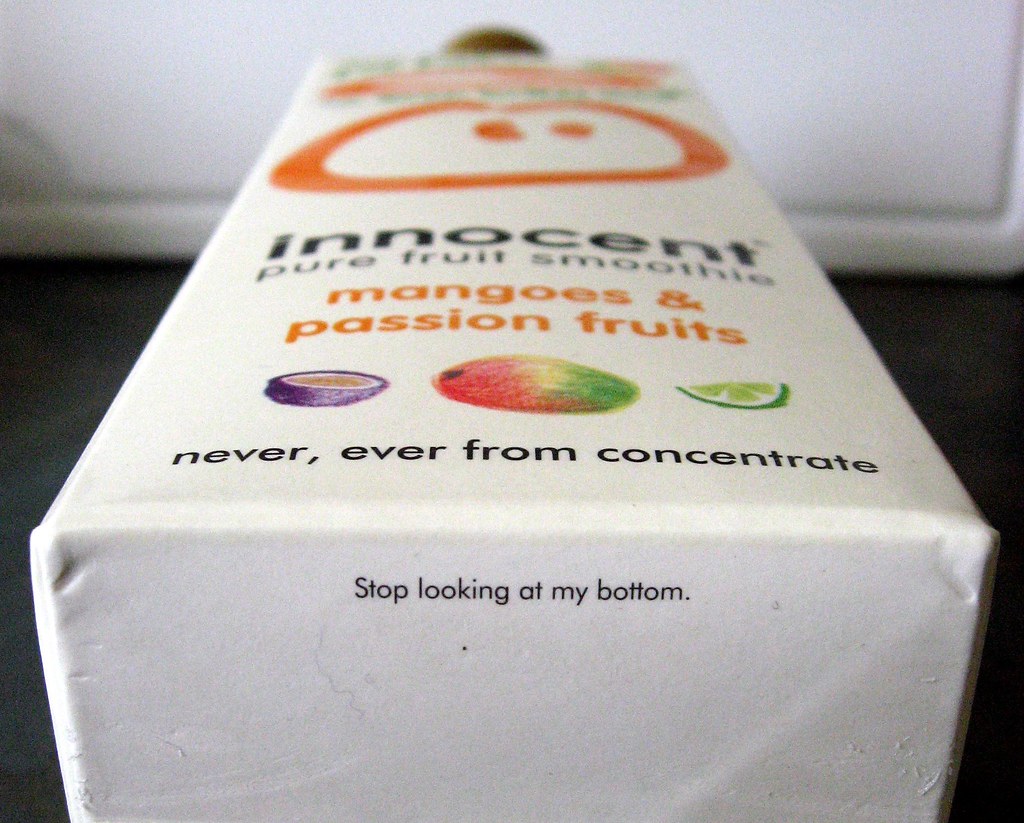
And I’m not ashamed to admit that I look at this every time I buy a bottle.
I’m easily amused, clearly, but this one tiny, itty bitty, little piece of content on the bottom of their packaging – somewhere nobody ever looks – makes me laugh sooooo much that it makes me want to buy them even when they’re not on special offer in SuperValu.
This is silly marketing. It sells, and today I’m going to show you why and how you, too, can be a content clown in all the right ways.
If your brand likes to look on the brighter side of things, enjoys the odd pun or meme, or prefers a dash of silliness in their content, I’ve got great news. You can use that silly streak to your advantage!
But!
If you believe there’s “a time and place” for silliness and keep your strategies so cut-throat they could…well, actually cut throats? This isn’t the place for you, my friend.
Last warning. We’re about to get silly.
The fun archetypes for the fun brands
Still here? Okay!
Let’s look at the archetypes you can lean into to help you really bring out those funny bones.
The Innocent
When I think of branding, one of the first archetypes that comes to mind is The Innocent, a popular choice for food brands, children’s products, and throughout the health and wellness industry.
These brands have whimsical and optimistic voices that often highlight the little things in life that make you happy. The Innocent brand archetype fits perfectly – it’s kind, gentle, and definitely playful (often verging on the kind of silliness we saw with innocent drinks).
A few of my favourite Innocent silly branding examples:
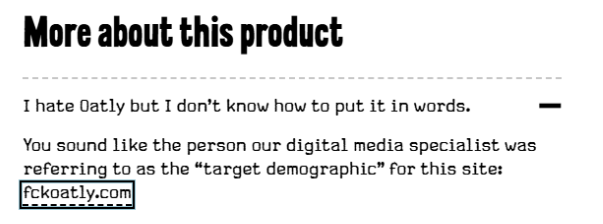
Fun and cheeky. Oatly is all about grabbing your attention with some silly branding and content that really makes you double take! They even go so far as to make fun of themselves by creating a whole website dedicated to people who have sued them over their outrageous copywriting.
These guys have had some seriously funny fights with governments, too. Even the National Dairy Council of Ireland banned them from saying their beloved slogan: “It’s Like Milk But Made For Humans”.Check out their other website fckoatly.com. It’s fantastic (and only makes me want to drink more of their delicious oaty goodness).
I don’t just adore Ben & Jerry’s for their activism, or even for their creative ice cream flavours (Chunky Monkey is the best – you can fight me on that), but for their playful and entertaining branding.
From outrageous ice cream flavour names to their hilarious social media and website copy, Ben & Jerry’s is a brand that’s hard to miss in any shop because of how attractive and funny their branding is.

Like, who isn’t going to pick up a tub of ice cream called Oh My! Banoffee Pie!, Hazel-nuttin’ but Chocolate, or Phish Food! It’s genius, and delicious.
But even their activism – posts about important issues around the globe – contain a bit of humour, a bit of fun that really grabs the attention and gets people engaged. We’re talking about their posts in support of LGBTQ+ rights, fairtrade, rights and dignity of refugees, the climate, and their impact on it.
Take a look at more of their posts on their
Instagram!Wanna know a little secret? The reason I love these brands so much is because they’re not just Innocent. They also align with my favourite archetype…
The Jester!
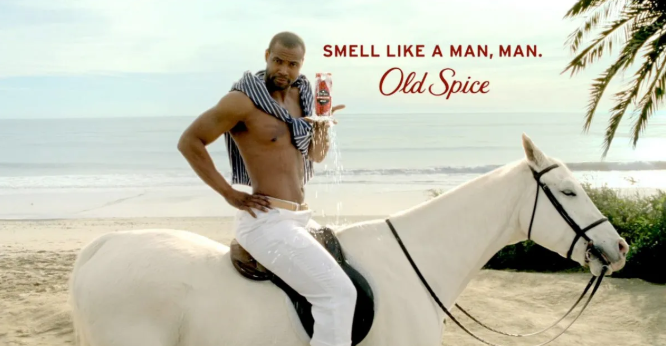
These are your Noel Fieldings and Jim Carreys of the world, rooted in the absurdity and wittiness of high-energy branding that just makes you smile. So not only do we have Oatly and innocent drinks but we also have brands like Skittles and Old Spice (those ads get me everytime!).
What is The Jester Brand Archetype?
The Jester archetype is playful, irreverent, and a master of mischief that never takes anything seriously – especially their marketing!
Thriving on witty copy and chaotic marketing, this is a brand archetype that has no problem making wild jokes in the boardroom. They don’t want boring, they want brilliant.
Humour is this brand’s secret weapon (and by secret, I mean it’s right there, in your face). It’s waved around and plastered all over their website in the form of playful copy, absurd visuals, and creative campaigns that get you hooked on their brand before you’ve even tried their product.
Overall, The Jester brand archetype is there to delight, surprise, and make you feel good. Make you happy. Whether that’s with the right meme at the right time, or a wacky piece of marketing that stops you in your tracks. It’s all about delivering memorable experiences (and ultimately, building customer loyalty).
Highlighting the ideal jokester!
Before we get into how to use silly marketing, I’d like to quickly show you one more example of a business that turns social media marketing into entertainment.
And they are… 🥁🥁🥁
Here we have the fascinating crab museum in its natural habitat, posting absurd, ridiculous, and occasionally confusing crab-related memes. However, they are so absurd, that it attracts a large amount of attention from their prey: the average crab enthusiast.
(If you read that in a David Attenborough voice, I’m so proud of you, and thank you.)
But, yes, as you can see below, they post a wide variety of crab content on their socials that get quite a lot of views for a business located in Margate (which is on the coast of the UK).
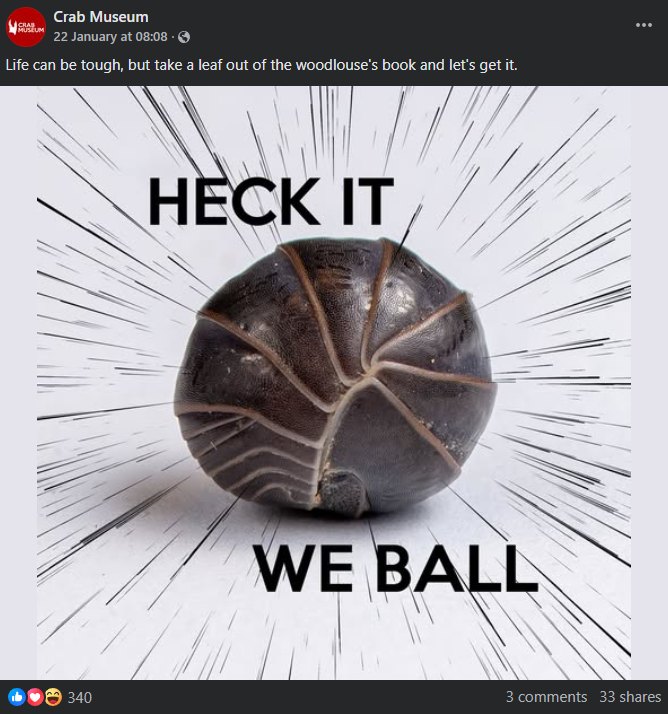
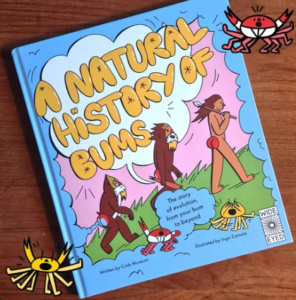
Like, okay, their posts aren’t exactly viral sensations, but when every post is getting >200-400 likes, that’s pretty impressive! (I’ve only managed to get 10 likes on my last post, so what I’m learning from the Crab Museum is, post more about crustaceans and less about the unique flavours of Monster energy drinks.)
Final note on the Crab Museum: did you know they have a book dedicated to the natural history of butts? I’m not joking check it out!
Jester branding tips! How to use silly branding for your business
Okay, enough examples of silly brands! Without further ado, here are 5 simple tips on how to make your business sillier.
1. It’s all about wordplay
I know there are people out there who despise puns and claim that wordplay is childish or cringy at times. I’m here to tell you they’re wrong! BAD puns are cringy and childish. But clever wordplay and a small sprinkling of on-brand puns is a one-way ticket to excellent jester-like content.
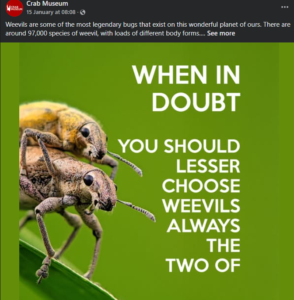
Look, I know a bad pun when I see it.
Do I still chuckle a little? Yes, but don’t we all?
So don’t be afraid to play with your words and create something a bit more fun to read. If you’re clever about it and write about something niche or relevant to your business (like the Crab Museum posting about weevils) then you’ll attract like-minded people who are eager for more.
2. Be modest (but not really)
I’m not talking about false modesty. This isn’t about playing ‘demure’ for attention or berating yourself online to get sympathy.
What I’m talking about is closer to sarcasm than false modesty.
Things like:
“Why wouldn’t you want a machine that completely cleans your dishes with a push of a button?”
“What do you mean you don’t want to eat high protein, high fibre, and low calorie meals at a convenient and affordable price?”
This is used to highlight all the benefits, while keeping your modesty together.
3. Exaggerate everything
I love a little bit of exaggeration.
It’s a simple way to get your company’s messaging across in a funny, more memorable way.
All you have to do is take one of your key messages and blow it up way out of proportion – just because you can.
A great example of this is the Irish Lotto with their ever ridiculous ad campaigns and their slogan: “It Could Be You”.

But we can go one step further and exaggerate what would happen if your audience didn’t use your product!
This is such a great way of creating a silly, funny, and entertaining marketing campaign that gets people interested in what you’re selling. One of my favourite examples of this is Specsaver’s Should’ve Gone to Specsavers campaign.
(I’ll just link one video because, honestly, you’ll be there for hours watching all of them, they’re so good!)
4. Get surreal and a little absurd
This is the best type of silly marketing, in my opinion. When it gets into the surreal and the absurd. The kind of ads that you watch, think about for a minute, and then watch again, just to make sure you saw what you think you saw.
And!
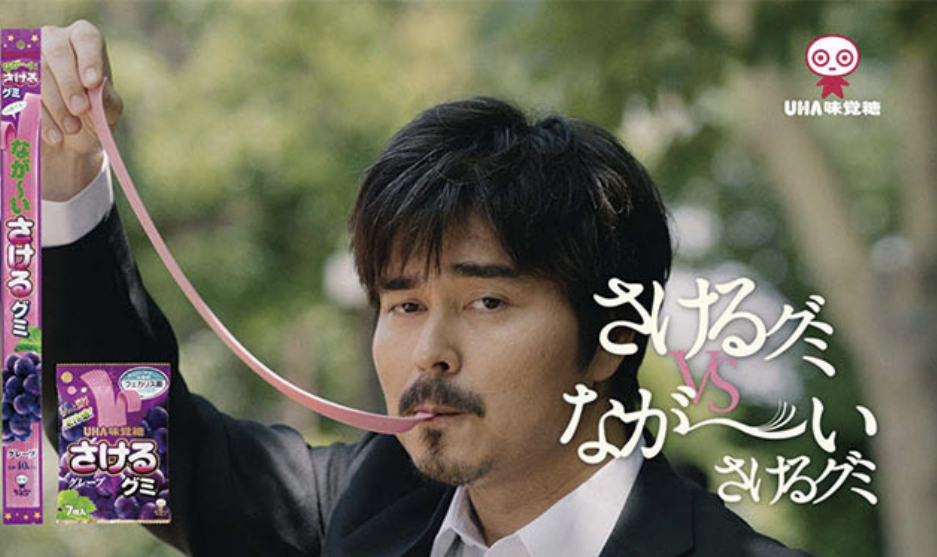
I get to share one of my all-time favourite advertising campaigns, which is by a Japanese candy/sweet brand called Sakeru Gummy.
It’s an 11-part campaign that follows a young couple, their love for Sakeru Gummy, and a mysterious man who loves to eat a much longer version of the candy.
It’s a strange and wonderful love story I’ve watched many times, and I long (get it?) to try them one day!
5. Parodies, not remakes
Attention is gold these days, my friend. Parody marketing is the Jester brand’s best friend, because it’s not just funny, it grabs attention and holds it long enough to make its point.
One parody that comes to mind is IKEA’s fantastic parody of Apple’s iPhone 6 ad. They don’t just copy Apple’s successful ad style – you immediately see it as a parody and recognise who they’re referencing while still highlighting what makes their brand great. It’s simple but effective. It makes me laugh, and it makes me want to go to IKEA! But then again, I always want to go to IKEA. 😅
Consider parodying popular products, shows, movies, or even trending topics. Satire has influenced public opinion for centuries – so why not sprinkle it in to promote your own work.
Think all is fair in fun-and-games? It’s not! (What to avoid in silly branding)
Before we wrap up, let’s get one thing clear. When it comes to funny branding or jester-style branding, we don’t make jokes at other people’s expense.
So here are 3 rules to keep in mind when writing comedy for your company’s socials, website, or emails:
- Don’t make light of serious situations
- Avoid writing jokes aimed at competitors or staff
- Never create offensive (even mildly offensive) content
If you wouldn’t want it aimed at you, then don’t write it. Not only could this hurt your business, but you’ll also hurt somebody else, which is absolutely not what silly branding is about.